Sky Watch
Thursday's Meteor Shower Peaks Around 9. You Can Be in Bed by 10.
The Draconids peak Thursday evening under an almost moonless sky, and unlike every other meteor shower, they do their best work right after dark. No 4 a.m. alarm required.
Every meteor shower article ever written has the same instruction buried in paragraph four: go outside between 2 a.m. and dawn. Which is a lovely idea for anyone who has never met a Gulf Coast mosquito or a Friday morning.
The Draconids don't do that. They peak this Thursday, Oct. 8, around 9 p.m. Eastern, according to EarthSky, and the radiant sits highest in the sky in the evening. So for once, the best seat in the house is available right after dinner. Space.com called it a meteor shower that respects bedtime, and I have nothing to add except that I am free Thursday.
The timing
The sun sets at 7:08 p.m. in Sarasota on Thursday, and real darkness arrives around 8:25 p.m., per timeanddate.com. That leaves a comfortable window from about 8:30 to 10 for looking up and pretending you aren't checking your phone.
The moon is basically on vacation. It's about 4% lit at the peak, and new moon lands Oct. 10, so the sky gets as dark as Florida is willing to make it. The shower runs Oct. 6 through 10 if Thursday gets rained out.
The honest part
This is not the Perseids. EarthSky says to expect maybe 10 meteors an hour under a perfect dark sky, and the shower is "usually a sleeper." We are also a little far south for it; it's best from mid-northern latitudes. So budget for a few good streaks and a lot of very relaxing staring.
There is one wild card. The Draconids come from Comet 21P/Giacobini-Zinner, and in rare years the shower has thrown out hundreds of meteors in a single hour. EarthSky's verdict on whether this is one of those years: "Maybe." That's the whole reason to bring a chair.
Where to sit
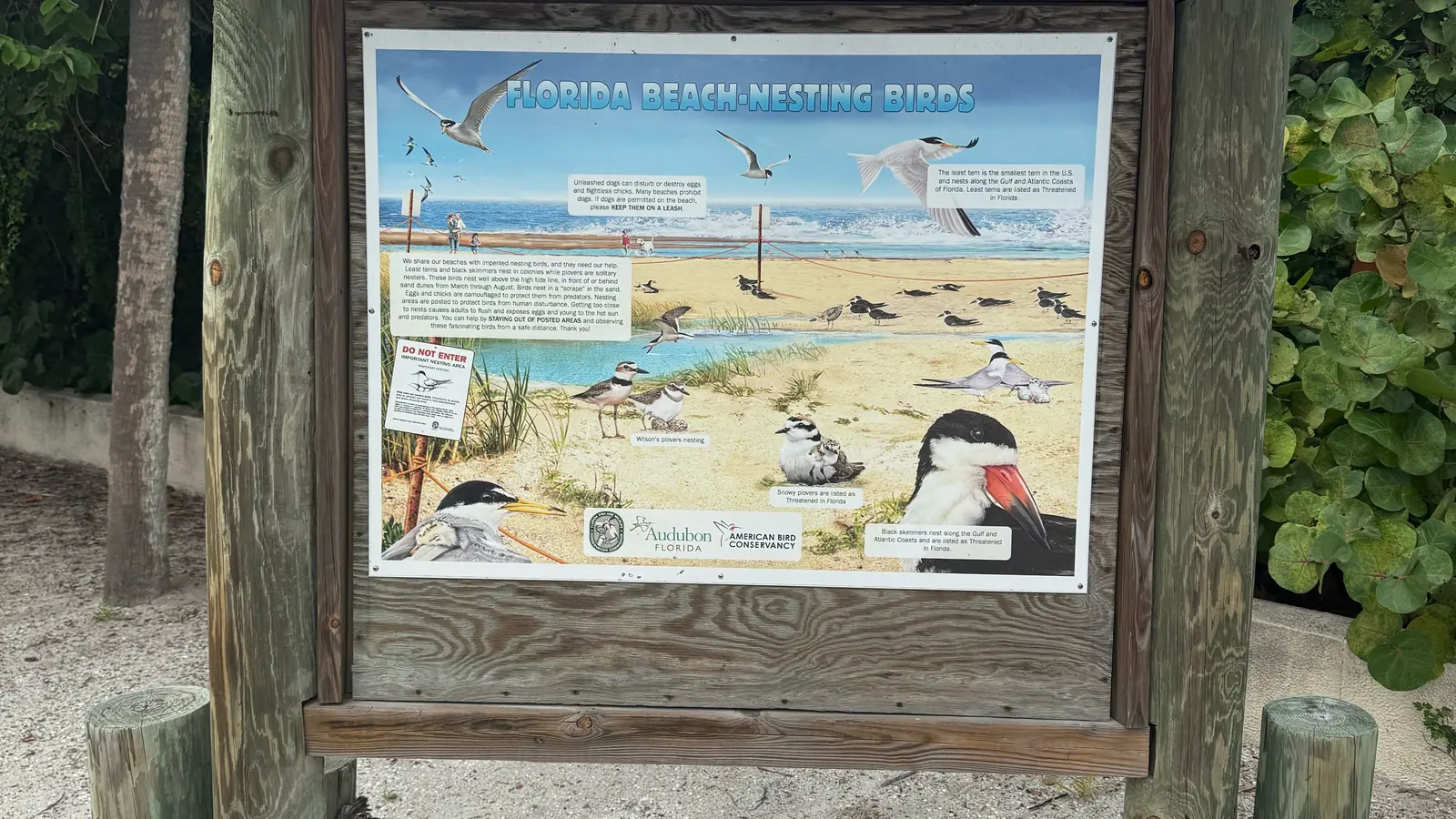
Anywhere dark with a wide view of the northern half of the sky. Gulf beaches help, and it's still sea turtle nesting season through Oct. 31, so Sarasota County asks that you go easy on the flashlights. Conveniently, that's also the first rule of seeing meteors. Give your eyes time to adjust, skip the phone screen, and look up instead of at the horizon.
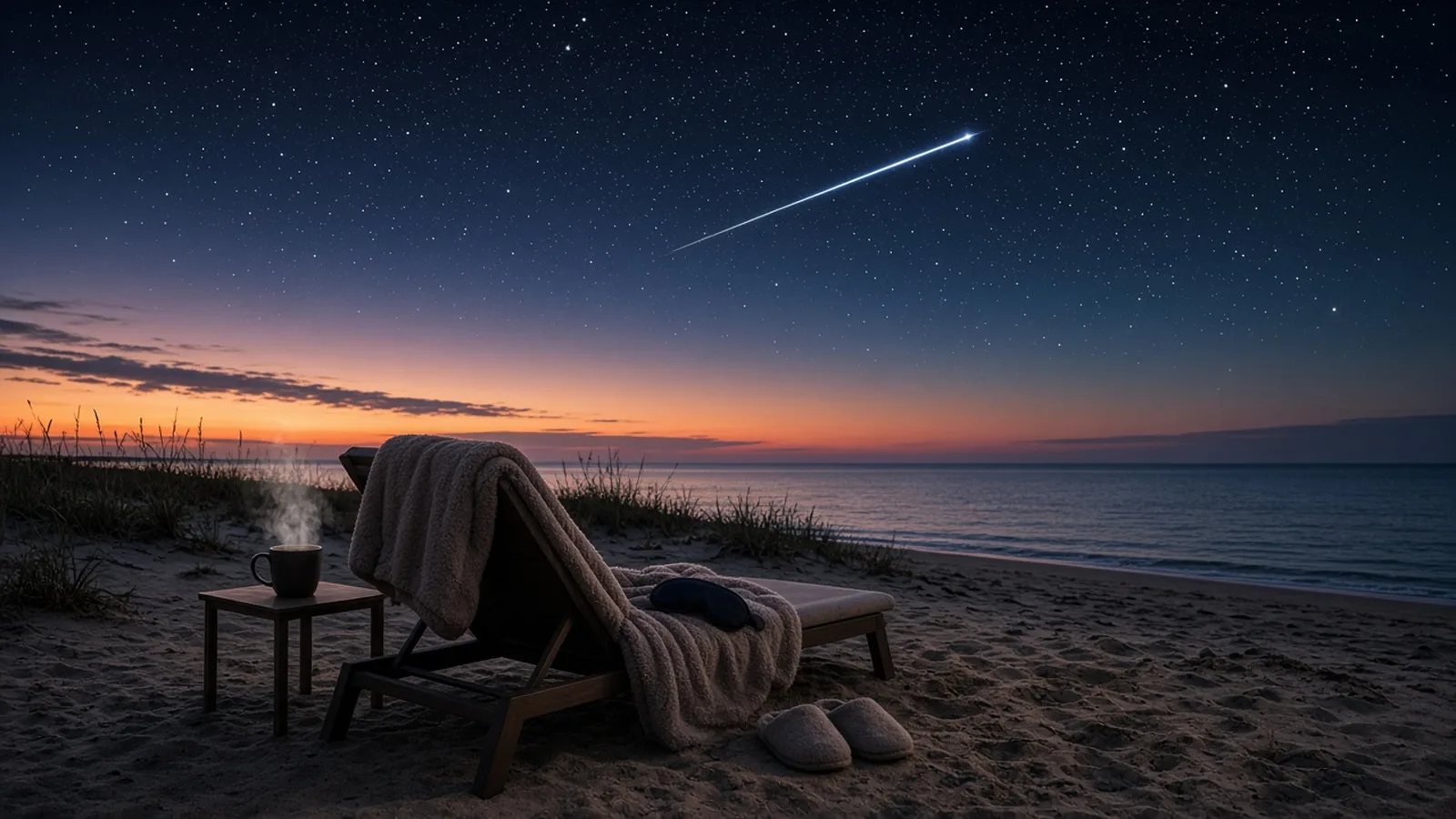
Robe optional. Slippers recommended.
— Sandy