

Ridge Vineyards Prints the Ingredients on the Bottle. I Love It.
Ridge Vineyards voluntarily lists every ingredient on its back labels. What they say, the four bottles to know, and why every winery should copy this.

Filling in while Kevin is in the Douro Valley, and friends, I found a winery that reads like a recipe card, and I mean that as the highest compliment!
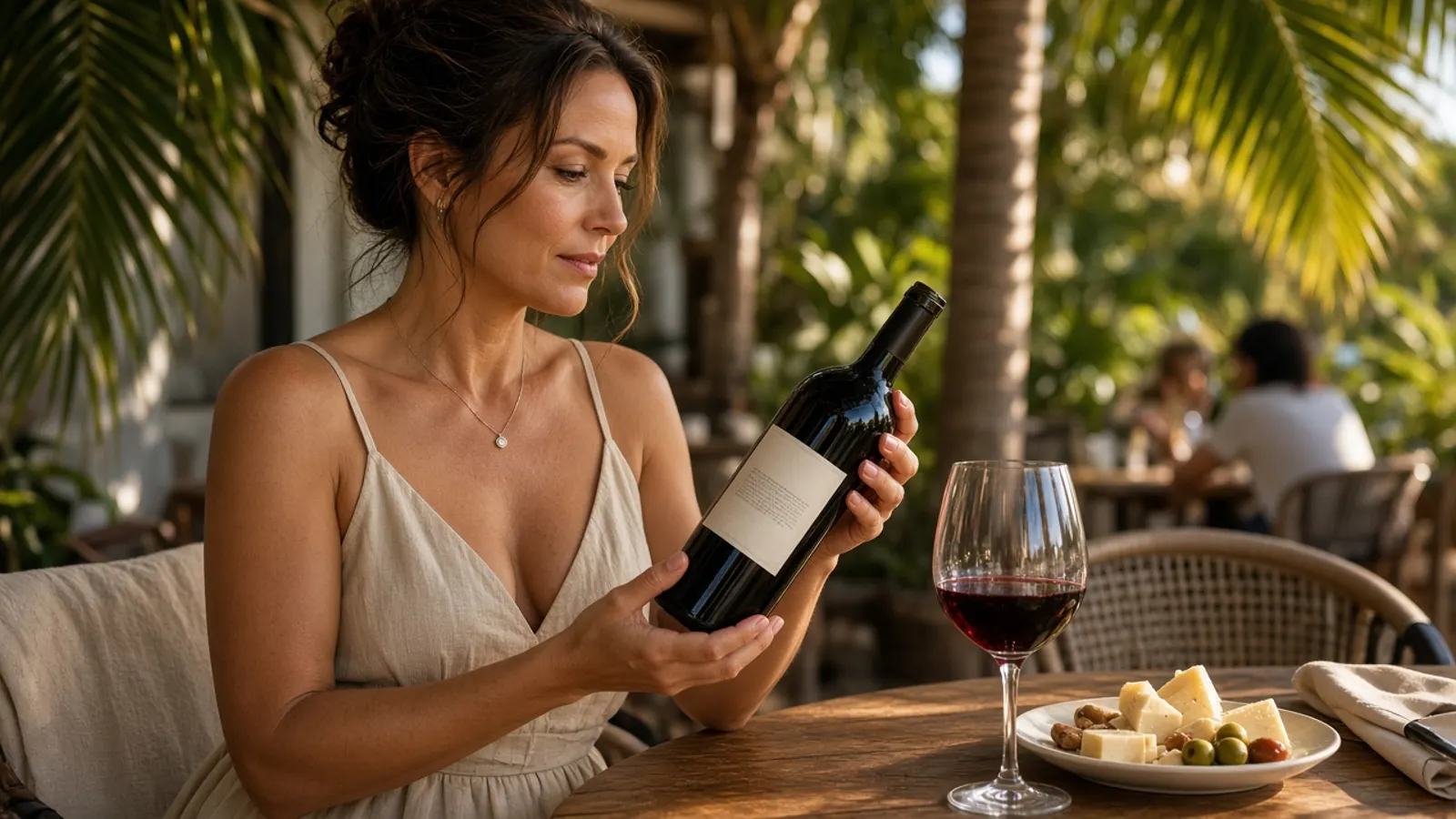
Flip over almost any bottle of wine in a Sarasota grocery aisle and you'll find the alcohol percentage, a sulfite warning and maybe a poetic paragraph about "notes of dark fruit." What you usually won't find is a list of what went into it. Flip over a bottle from Ridge Vineyards and there it is, in plain words: Ingredients.
Why this is such a big deal
Here's the part that made me put my fork down. According to Ridge's own ingredient labeling page, an ingredient list is not required by the TTB, the federal agency that regulates wine labels. But if a winery chooses to add one, it has to list all of the ingredients. No cherry-picking the pretty ones!
Ridge does it anyway. The winery calls its approach "pre-industrial": no modern additives, no high-tech processing, just grapes from a good vineyard doing their thing. The same page points out that U.S. regulators (and those in other major wine countries) have approved more than 60 additives and more than 10 industrial processes for wine. Ridge's position is that fine wine doesn't need them, and it prints the proof on the label. In its own words, it hopes "to encourage others making fine wine to entrust their customers with their list of ingredients."
Entrust their customers. I love that so much. It treats the person holding the bottle like a grown-up who deserves to know.
What the labels actually say
Ridge explains each term on its site. The common ones:
- Hand-harvested grapes: every cluster cut by hand, damaged fruit tossed.
- Indigenous yeasts: the wild yeasts that arrive on the grapes naturally, instead of a lab-bought strain.
- Naturally occurring malolactic bacteria: the bacteria that soften the wine's acidity, already present on the fruit.
- Oak from barrel aging: the little bit of flavor the wine picks up from its barrels.
- Minimum effective SO2: the smallest sulfur addition needed to keep the wine sound.
And when Ridge does add something, it says so. Its page lists the handful of old-school additions it sometimes uses, like calcium carbonate for unusually high acidity, tartaric acid (the natural acid in grapes) when a lot of zinfandel runs low, fresh egg whites to soften tough tannins, and a little water when a heat wave shrivels zinfandel grapes before they can all be picked. My favorite example of the honesty: the label on the 2015 Paso Robles Zinfandel lists a "3.4% water addition." Down to the decimal! Who else does that?
Where Ridge actually is
Quick geography lesson, because Ridge gets placed all over the map. Ridge's two home estates are Monte Bello, high in the Santa Cruz Mountains above Cupertino, and Lytton Springs in Sonoma County's Dry Creek Valley near Healdsburg. The Paso Robles connection is real, though: Ridge makes a Paso Robles Zinfandel from the Benito Dusi Ranch, and the 2024 label describes it as a "classic Paso Robles Zinfandel."
Hear it from Ridge
Ridge's longtime winemaker Paul Draper explains the whole "pre-industrial" philosophy in this short video from the winery's own YouTube channel. It's calm, thoughtful and very convincing, and it's the perfect backstory to those labels.

Four Ridge bottles to know
All details below come from Ridge's own wine pages and label files.
1. Monte Bello (2022). The flagship, from the estate vineyard in the Santa Cruz Mountains. The 2022 is 86% Cabernet Sauvignon, 10% Merlot, 2% Petit Verdot and 2% Cabernet Franc, 13.8% alcohol. Label ingredients: hand-harvested, organic, estate grapes; indigenous yeast; naturally occurring malolactic bacteria; oak from barrel aging; minimum effective SO2. Ridge says it "will evolve over the next twenty to twenty-five years." This is a special-occasion bottle, and it knows it.
2. Lytton Springs (2023). The Dry Creek Valley zinfandel blend from the Healdsburg estate: 76% Zinfandel, 14% Petite Sirah, 7% Carignane, 2% Alicante Bouschet and 1% Mataro, 14.4% alcohol, from organically grown grapes. Ridge made its first Lytton Springs in 1972. Ridge calls the 2023 "elegant" and enjoyable now, with the structure to keep evolving for ten years.
3. Geyserville (2023). The classic old-vine field blend from Alexander Valley: 70% Zinfandel, 18% Carignane, 9% Petite Sirah and 3% Alicante Bouschet, 14.6% alcohol. The label lists hand-harvested grapes, indigenous yeast, naturally occurring malolactic bacteria, oak from barrel aging and minimum effective SO2. Ridge's note promises "dark fruit and supple tannins balanced by beautiful acidity." Big, juicy and made for grilled anything.
4. Paso Robles Zinfandel (2024). The one that ties Ridge to Paso: 100% Zinfandel from Benito Dusi Ranch, 14.9% alcohol, aged with 20% new American oak. The label calls it "sensuous and immediately approachable," best over the next six to seven years, and lists hand-harvested grapes, indigenous yeasts, naturally occurring malolactic bacteria, oak from barrel aging and minimum effective SO2. That's it. That's the list!
The bottom line
Reading a Ridge label feels like a winemaker looking you in the eye. You know what's in your glass, you know what isn't, and you can decide for yourself. That should be normal, and Ridge is making the case for it one back label at a time. If you're browsing a wine shop this week, flip a bottle over. If it says Ingredients, you've found a winery that trusts you.
Drink well, sip slowly, and please don't drive after the tasting. 21+ only.
— Marina
Still hungry?

Can't pick? Pull a random one From the food, wine and myth-busting pile. No old game slates.